
What Is the Vagus Nerve and Why Does It Matter?
Have you ever noticed how a deep breath can instantly shift how you feel? That’s your vagus nerve at work. As the longest cranial nerve in your body, the vagus nerve connects your brain to nearly every major organ—your heart, lungs, digestive system, and beyond. It’s the superhighway of your parasympathetic nervous system, often called the “rest and digest” branch.
When your vagus nerve is functioning well, you feel calm, grounded, and resilient. But when it’s underactive, you might experience chronic stress, anxiety, digestive issues, or even inflammation. The good news? You can actively strengthen your vagal tone through simple, daily practices.
Signs Your Vagus Nerve Needs Attention
Your vagus nerve influences far more than most people realize. Here are common signs that your vagal tone could use some support:
- Chronic stress or anxiety — feeling constantly on edge or unable to relax
- Digestive problems — bloating, constipation, or IBS-like symptoms
- Rapid heart rate — difficulty calming down after stress
- Poor sleep quality — trouble falling or staying asleep
- Brain fog — difficulty concentrating or mental fatigue
- Inflammation — chronic aches, pains, or autoimmune flare-ups
If several of these resonate, your nervous system may be stuck in sympathetic overdrive—what we often call “fight or flight” mode. The vagus nerve is your pathway back to balance.
5 Simple Ways to Stimulate Your Vagus Nerve
Strengthening your vagal tone doesn’t require expensive equipment or hours of free time. Here are five accessible practices you can start today:
1. Deep, Slow Breathing
When you breathe deeply, you send a direct signal to your vagus nerve that it’s safe to relax. Try the 4-7-8 technique: inhale for 4 counts, hold for 7, and exhale slowly for 8. Longer exhales are particularly effective at activating the parasympathetic response. Even 5 minutes of conscious breathing can shift your entire state.
2. Cold Water Exposure
Splashing cold water on your face or ending your shower with 30 seconds of cool water stimulates the vagus nerve through the dive reflex. It’s a quick, invigorating way to reset your nervous system—especially helpful during moments of high stress.
3. Gentle Humming or Singing
The vagus nerve passes through your vocal cords. When you hum, sing, or chant, you create gentle vibrations that stimulate the nerve. Try humming a simple tone while focusing on the vibration in your throat and chest. This practice is especially powerful when combined with intentional breathing.
4. Light Movement and Stretching
Gentle yoga, walking, or simple neck stretches can activate the vagus nerve. Since the nerve runs through your neck and upper body, movements that release tension in these areas can improve vagal tone. Focus on slow, mindful movement rather than intense exercise.
5. Social Connection
Positive social interactions—laughing with a friend, meaningful conversation, or even petting an animal—release oxytocin and stimulate the vagus nerve. Connection is not a luxury; it’s a biological necessity for nervous system health.
How Sound Healing Supports Vagal Tone
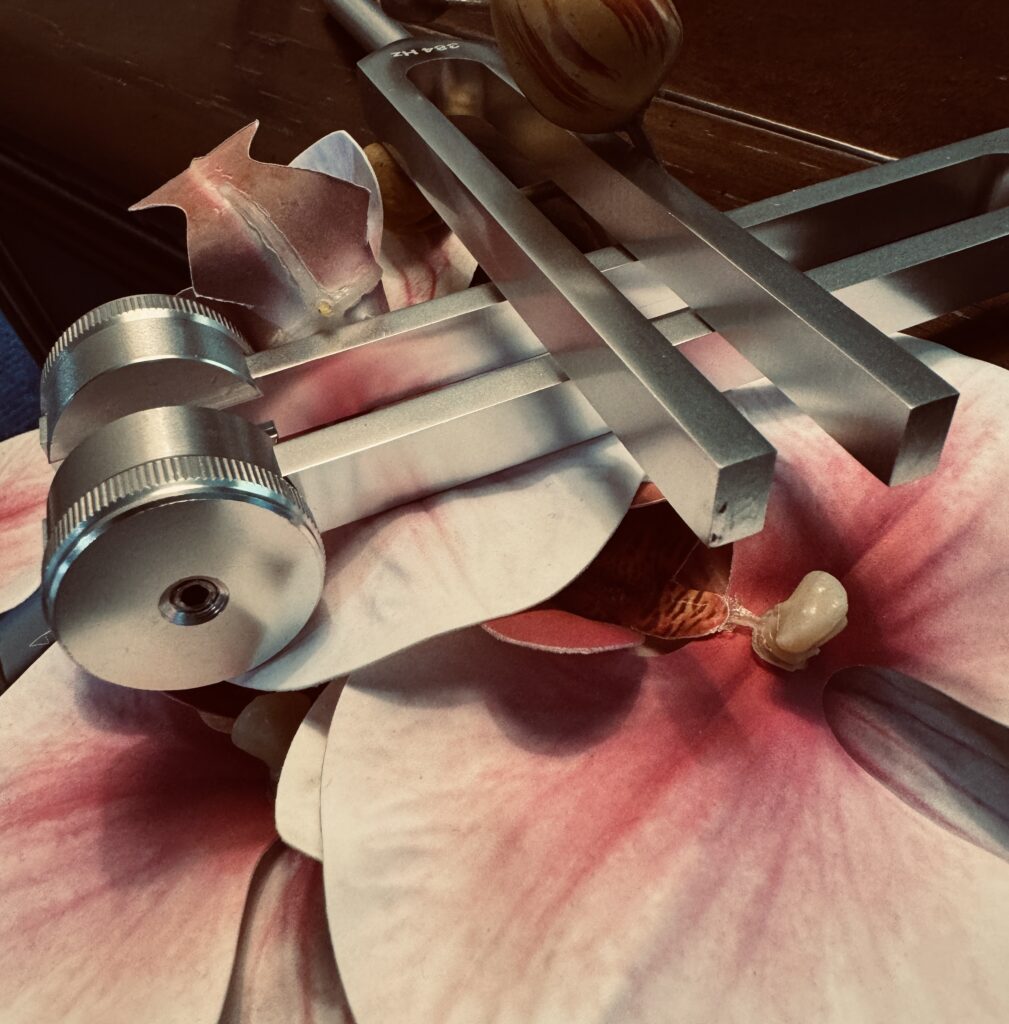
At InTUNE With You Coaching in Topeka, we’ve seen how sound healing can profoundly impact vagus nerve health. The vibrations from sound baths, tuning forks, and other frequency-based therapies gently massage your nervous system, helping it shift from survival mode into restoration.
Sound frequencies in the theta and alpha ranges (4-12 Hz) are particularly effective at calming the nervous system and enhancing vagal tone. Many clients report feeling a deep sense of peace and physical relaxation after just one session—often lasting for days.
Building a Daily Vagus Nerve Practice
The key to lasting change is consistency. You don’t need to do everything at once. Start with one practice that feels manageable—perhaps 5 minutes of deep breathing each morning. Once that becomes routine, add another.
Here’s a simple daily template:
- Morning: 5 minutes of 4-7-8 breathing before getting out of bed
- Midday: A short walk or gentle stretching to reset
- Evening: Cold water on your face or a warm bath with humming
Over time, these small actions compound. Your nervous system learns that safety is available, and your baseline state shifts toward calm.
When to Seek Additional Support
While self-care practices are powerful, sometimes you need guided support. If you’ve experienced trauma, chronic stress, or feel stuck in survival mode, working with a trauma-informed practitioner can help you safely reconnect with your body’s natural regulation systems.
At InTUNE With You Coaching, we offer sound healing sessions, nervous system coaching, and holistic wellness support tailored to your unique needs. You don’t have to navigate this journey alone.
Ready to Reconnect with Your Body’s Calm Switch?
Your vagus nerve is always there, waiting to help you return to balance. With intentional practice and the right support, you can strengthen your vagal tone and build lasting resilience.
Book a session at InTUNE With You Coaching in Topeka today and discover how sound healing can support your nervous system health.